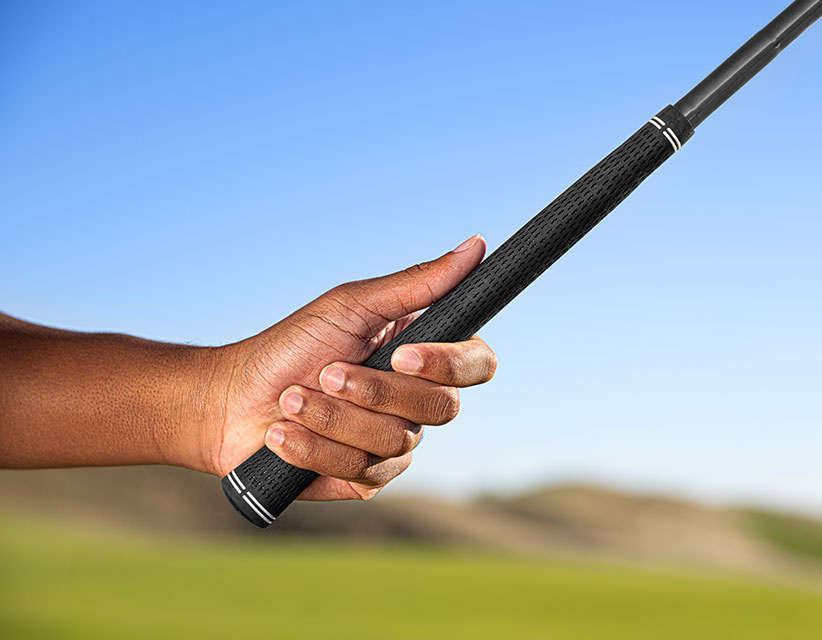
If you’re serious about improving your golf game, you probably think about your swing, your clubs, and maybe even your ball choice. But one of the most overlooked pieces of equipment is literally the only part of the club you touch: the grip.
At Golf Warehouse Atlanta, we see players every day who could gain immediate consistency and control just by updating or properly fitting their grips. Let’s break down when you should change them, why it matters, and what happens if you move to midsize, jumbo, or even JumboMax grips.
When Should You Change Your Grips?
There’s no one-size-fits-all timeline, but here are solid guidelines:
Every 40–60 rounds for frequent players
Once a year for most golfers
Immediately if you notice:
Slick or shiny surfaces
Cracks or worn spots
Loss of tackiness
Grip feels harder than usual
A good rule of thumb: if you’re gripping tighter to maintain control, your grips are already costing you performance.
Why Changing Grips Matters
Worn grips don’t just feel bad—they affect your swing in real ways:
Reduced control through impact
Inconsistent clubface alignment
Extra tension in your hands and forearms
Loss of confidence over the ball
Fresh grips restore traction, allowing for a lighter grip pressure, which promotes a smoother, more repeatable swing.
Should You Go Bigger? (Midsize, Jumbo, or JumboMax)
Grip size is where things get interesting—and highly personal.
Standard vs. Midsize vs. Jumbo
Standard grips: Best for most players with average hand size
Midsize grips: Slightly larger, reduce hand action
Jumbo / JumboMax grips: Significantly larger, designed to quiet the hands even more
Reasons to Go Bigger
You have larger hands
You tend to over-rotate the clubface (hooking the ball)
You struggle with grip pressure or tension
You want to minimize wrist action in your swing
Reasons NOT to Go Bigger
You fight a slice (larger grips can make it worse)
You rely on feel and touch, especially around the greens
You prefer more hand action and shot shaping ability
What Happens to Club Specs When You Change Grip Size?
This is the part many golfers overlook: grips are not just about feel—they affect club performance.
1. Total Weight Increases
Larger grips weigh more:
Standard: ~50g
Midsize: ~60g
Jumbo: ~70g+
JumboMax: can exceed 90g
That extra weight is added to the butt end of the club.
2. Swing Weight Decreases
Even though the club gets heavier overall, it can feel lighter during the swing.
Adding weight to the grip reduces swing weight
Roughly 4–5 grams added to the grip = 1 swing weight point lighter
This can make the club feel easier to swing but may reduce your sense of the clubhead.
3. Balance Point Shifts
Heavier grips move the balance point closer to your hands, which can:
Promote smoother tempo
Reduce over-acceleration
Change timing for some players
How Larger Grips Affect Your Swing and Ball Flight
Switching to a larger grip can subtly—or dramatically—change your ball flight.
Potential Benefits
Less grip pressure → more relaxed swing
Reduced hand action → more stable clubface
Can help reduce hooks
Better for players with arthritis or hand pain
Potential Drawbacks
May limit clubface rotation, leading to pushes or slices
Reduced feel on finesse shots
Can take time to adjust timing and release
The Bottom Line
Changing your grips is one of the fastest, most affordable ways to improve your game—but it’s also one of the most misunderstood.
Going bigger isn’t automatically better. It’s about matching the grip to:
Your hand size
Your swing tendencies
Your desired ball flight
Need Help Choosing the Right Grip?
Stop by Golf Warehouse Atlanta. A simple grip change could be the upgrade your game has been waiting for.